Understanding the Idealist Planters Range
When it comes to enhancing your garden or living space, choosing the right planters is crucial. Idealist Planters offers a diverse range of high-quality options that cater to various gardening needs. This article will delve into the specific types of planters available, their materials, and current gardening trends, all while highlighting how idealistplanters.co.uk can serve as your go-to resource for garden planning and inspiration.
Overview of Planter Types
Idealist Planters features several distinct types of planters, designed to accommodate different plants and aesthetic preferences. The categories include:
- Indoor Planters: These are typically smaller and designed to suit various interior spaces. Idealist's indoor planters often focus on modern designs, making them perfect for any home decor.
- Outdoor Planters: Sturdier and weather-resistant, outdoor planters are ideal for gardens and balconies. They come in various sizes, from small pots to large containers that can hold multiple plants.
- Hanging Planters: Perfect for maximizing space, hanging planters allow you to create vertical gardens and add a unique touch to your living areas.
- Self-Watering Planters: These innovative planters are designed with built-in reservoirs, ensuring that plants receive consistent moisture. This is particularly beneficial for busy gardeners or those new to plant care.
Material Choices and Their Benefits
One of the standout features of Idealist Planters is the variety of materials used in their products. Each material provides distinct advantages:
- Ceramic: Known for its durability and aesthetic appeal, ceramic planters come in various colors and styles, making them a popular choice for both indoor and outdoor use.
- Plastic: Lightweight and versatile, plastic planters are easy to move and maintain. They are also available in a range of designs that mimic more expensive materials like ceramic or stone.
- Wood: Wooden planters offer a natural look that blends seamlessly with outdoor environments. They typically require more maintenance but can be very rewarding when properly cared for.
- Metal: Metal planters, often made of stainless steel or galvanized materials, provide a contemporary touch. They are robust but may require internal liners to protect plant roots from excessive heat.
Current Trends in Gardening with idealistplanters.co.uk
As we move into 2026, several trends are emerging in gardening that are reflected in the offerings from Idealist Planters. These include:
- Sustainability: More gardeners are prioritizing eco-friendly practices, seeking planters made from recycled materials or utilizing sustainable production methods.
- Vertical Gardening: With urban living spaces shrinking, vertical gardens are becoming increasingly popular, necessitating the use of innovative planter designs.
- Smart Gardening: Technology is entering the gardening space, with smart planters that include sensors for soil moisture and light, helping users maintain plant health effortlessly.
- Edible Gardens: There is a growing trend toward growing edible plants at home, with planters specifically designed for herbs, vegetables, and fruits gaining popularity.
Choosing the Right Planter for Your Space
Selecting the ideal planter for your plants and space can significantly affect your gardening experience. It’s essential to consider various factors to ensure a successful gardening endeavor.
Factors to Consider for Indoor vs Outdoor Planters
When deciding between indoor and outdoor planters, consider the following:
- Size: Indoor planters are typically smaller due to limited space, while outdoor planters can be larger to accommodate bigger plants.
- Drainage: Outdoor planters require better drainage systems to handle rainwater, whereas indoor planters may need less drainage but should still ensure no water accumulation to prevent root rot.
- Environmental Factors: Outdoor planters must withstand weather changes, while indoor planters should blend in with your interior decor.
Best Practices for Placement and Arrangement
Where you place your planters can greatly influence plant health and aesthetic appeal. Here are some best practices:
- Sunlight: Ensure that your plants receive the right amount of sunlight based on their needs. Group plants with similar light requirements together.
- Accessibility: Place planters where they are easy to reach for maintenance purposes, especially for watering and pruning.
- Visual Appeal: Consider the height and color of your planters. Varying heights create visual interest, while color coordination can enhance your aesthetic.
How to Pair Planters with Various Plant Types
Different plants thrive in different types of planters. Here’s how to pair them effectively:
- Herbs: Use small, shallow indoor planters with good drainage for herbs like basil or parsley.
- Succulents: Choose terracotta pots for succulents, which require good drainage and a drier environment.
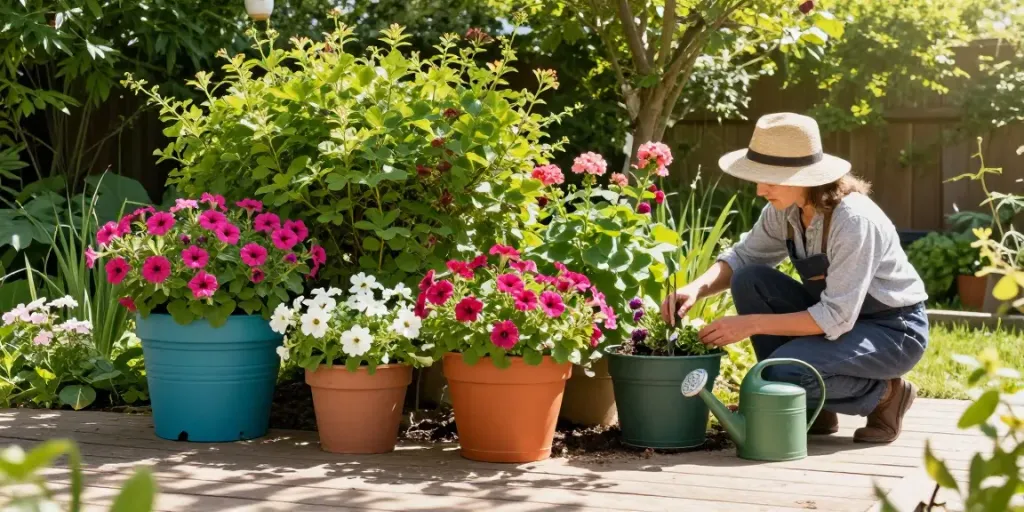
- Flowering Plants: Opt for decorative ceramic or colorful plastic planters to enhance the beauty of flowering plants while providing adequate support.
- Vegetables: Large outdoor planters with ample soil depth are ideal for vegetables like tomatoes and peppers, allowing for extensive root growth.
DIY Gardening Techniques Using Idealist Planters
For those looking to engage in DIY gardening, Idealist Planters provides the perfect foundation for creativity and personal expression.
Step-by-Step Planting Guide
Follow these steps to ensure a successful planting experience:
- Choose Your Planter: Select the right planter based on your plant type and space.
- Prepare Your Soil: Use quality potting soil suitable for your plants. Consider mixing in organic fertilizers for added nutrients.
- Planting: Gently remove the plant from its original container, ensuring not to damage the roots. Place it in the new planter and fill around it with soil.
- Watering: After planting, water the plant thoroughly until water drains from the bottom of the planter.
- Placement: Set the planter in its permanent location, ensuring it receives appropriate sunlight.
Creative Ideas for Decorating Your Planters
Enhance the beauty of your planters with these creative ideas:
- Painting: Personalize your planters by painting them with vibrant colors or unique designs.
- Add Accessories: Use decorative stones, beads, or fairy lights around the base of your planters for added flair.
- Grouping: Create visually appealing arrangements by grouping different planters of varying heights and styles together.
- Labels: Use decorative labels to identify your plants, adding functionality and style.
Common Mistakes to Avoid in Planter Gardening
Avoid these common pitfalls to ensure a thriving garden:
- Overwatering: It’s essential to understand each plant's watering needs to prevent root rot.
- Neglecting Drainage: Always ensure proper drainage, especially for outdoor planters, to avoid waterlogging.
- Ignoring Sunlight Requirements: Research the sunlight needs of your plants to avoid sunburnt or leggy growth.
- Planting Too Close Together: Allow sufficient space between plants to ensure they have room to grow without competing for resources.
Maintenance and Care of Your Planters
Proper maintenance of your planters is vital for sustaining plant health and aesthetics. Here’s how to keep them in excellent condition.
Watering and Fertilization Tips
Adopting the right watering and fertilization practices can make a significant difference:
- Watering: Check the moisture level of the soil regularly using your finger or a moisture meter to ensure proper hydration.
- Fertilization: Use a balanced fertilizer during the growing season and consider organic options for environmentally friendly gardening.
Winter Care for Outdoor Planters
To protect your outdoor planters during winter:
- Bring Indoors: If possible, bring potted plants indoors to protect them from frost.
- Insulation: Use insulating materials around planters to guard against extreme cold.
- Watering: Even in winter, plants may need watering, especially if the air is dry.
Signs of Plant Stress and Recovery Methods
Pay attention to signs of plant stress, such as yellowing leaves or wilting:
- Adjust Watering: Modify your watering habits based on your plant's condition. Too little or too much water can cause stress.
- Change Location: If a plant is not thriving, consider moving it to a location with better light conditions.
- Pruning: Remove any dead or unhealthy leaves to promote new growth and improve overall plant health.
Future Gardening Trends and Sustainability
As we look ahead, it's clear that gardening will continue to evolve, with trends reflecting a growing importance on sustainability and community engagement.
Innovations in Eco-Friendly Planters
Expect to see more eco-friendly planter options made from biodegradable materials and sourced sustainably. Innovations will focus on providing beautiful gardens without harming the environment.
Predicted Gardening Trends for 2026
Some anticipated trends for the upcoming years include:
- Smart Technology Integration: More plant care systems will feature sensors and automation to help gardeners monitor their plants remotely.
- Community Gardening: Urban areas will see a rise in community gardens, encouraging cooperation and sharing of resources.
- Pollinator-Friendly Gardens: Planting for pollinators will be a focus, increasing awareness of the importance of supporting local wildlife.
Engaging the Community with Gardening Projects
Community engagement is critical in fostering a love for gardening. Initiatives such as:
- Workshops: Hosting workshops on planting and care techniques can educate and engage community members.
- Shared Spaces: Establishing shared garden spaces encourages collaboration and knowledge sharing among local gardeners.
- School Programs: Introducing gardening programs in schools can inspire the next generation of gardeners and promote sustainability from a young age.